Structural Longevity by David Quenzer for Fresno & Clovis

Pain Relief Is Just The Beginning

We restore the ability to move like you did as a youth before everything started breaking down. Live without bracing your body against pain or fear of re-injury.

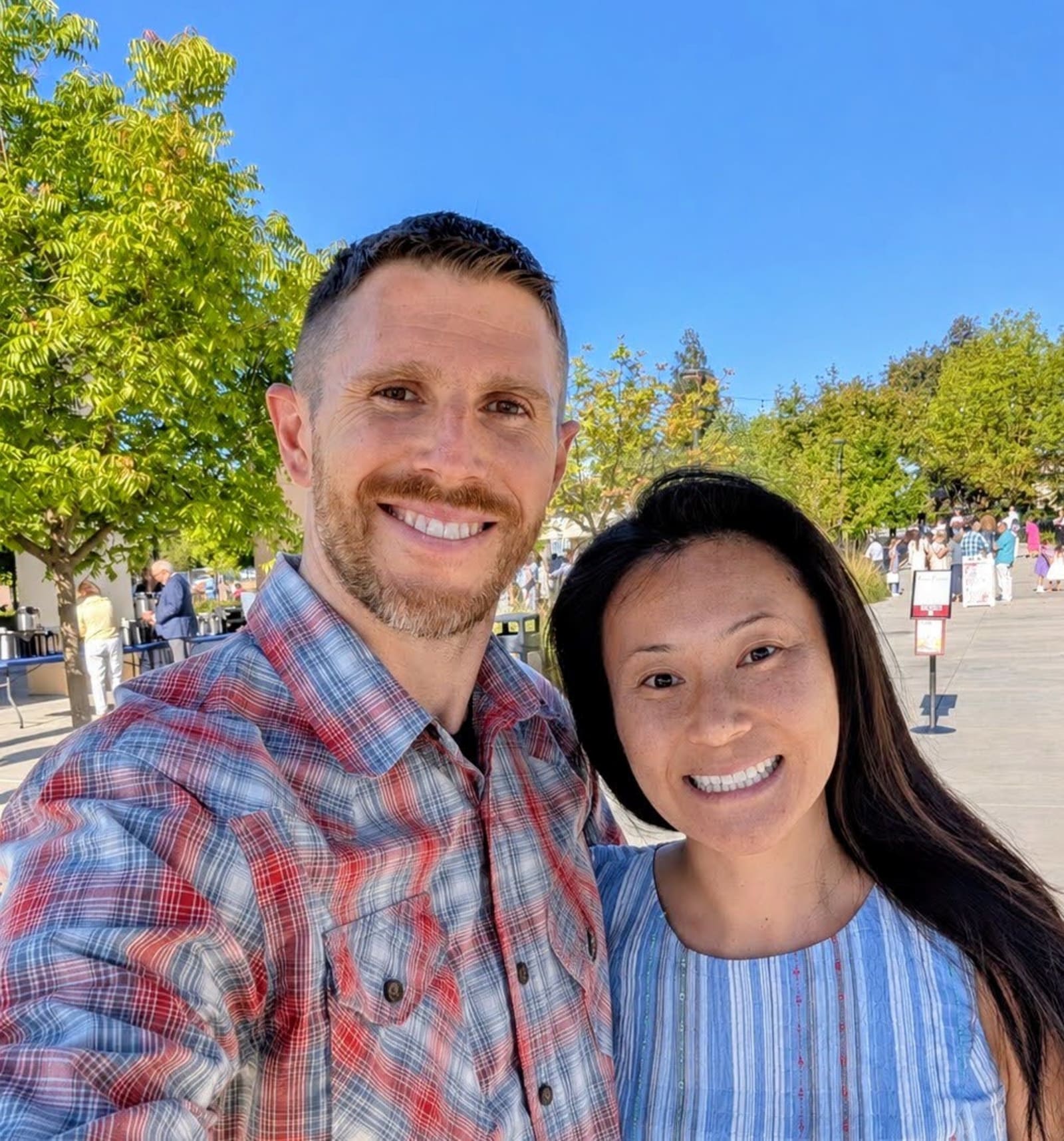
David Quenzer
— David Quenzer, Doctor of Physical Therapy
17,000+ Hours of hands-on restoration work performed
FEEL A TREATMENT

Experience the difference yourself in the only way you can, via hands-on treatment. Only then, can you decide if you want to solve what we find, together.

1-click Scheduling From Your Phone

The Two-Phase Restoration Journey

You're investing in structural restoration with pain relief as the first milestone, not the destination. Here's exactly what happens during your six-week transformation.

1
Pain Relief
Weeks 1-2

Your body finds a compensation that reduces pain. You start moving better. You sleep better. This is where most people think they're done.

What You'll Experience:

You're sleeping through the night instead of waking up to adjust positions. You're moving more freely without that constant background tension. The sharp pain that drove you here has quieted down.

We're just getting started.

2
Structural Longevity
Weeks 3-6

We restore your core pressure system so your body creates automatic stability again. Your body stops needing compensations because the underlying system works. This is where you rebuild the structural foundation, not just manage symptoms.

What You'll Experience:

You make plans without wondering if your body will cooperate when the time comes. You show up when people need you without calculating recovery time. You say yes to opportunities because they interest you, not because you've evaluated whether your body can handle them. You move through life trusting your body instead of protecting it.

What you're actually paying for.

The Critical Distinction Most People Miss

Pain relief happens when your body finds a compensation that works temporarily. You can get through your regular routine without symptoms as long as nothing unexpected happens.

Structural restoration happens when we fix the underlying pressure system so compensation isn't needed. You can handle whatever life throws at you without breaking down.

The difference between managing your body and trusting your body.

What Is Core Pressure?

Your body has a core pressure system designed to adjust automatically based on what you're doing. Going downstairs needs more core pressure than walking on level ground. Running needs more than walking. When you were a kid, your system adjusted automatically.

When that system stops working, other parts of your body absorb the shock instead. Your ankles, knees, and the discs in your spine start doing a job that's supposed to be your core pressure system's responsibility.

And the muscles you can see and touch, the ones designed for movement, end up working too hard trying to create stability your core pressure system should provide. That's why they stay tight. They're holding you together because automatic stability is gone.

Why Traditional Approaches Keep Falling Short

When you get massage, chiropractic, or stretch daily:
Those tight muscles loosen temporarily. But your body tightens them right back up because you still lack the core pressure needed to stabilize. If you only loosen the muscles holding you together, you're reducing your body's stability. That's why people often feel worse a few days after treatments that seemed to help.
When you do core strengthening exercises:
You're trying to manually create with muscular effort what should happen automatically through pressure regulation. Your core isn't weak. Your core is disconnected from the pressure system that should activate it. No amount of planks will restore automatic stability because you're addressing the symptom rather than the cause.
What I do differently:
I restore your breathing mechanics so your core pressure system adjusts automatically again. Once that's working, your muscles don't have to hold you together, and those other structures don't have to compensate.

Here's What Happens When You Stop at Pain Relief

Your pain is gone. You feel better. So you start doing things again.

You go back to the gym. You play with your kids. You help a friend move. And it works. For a while.

Your body found a compensation good enough to get through a regular day without pain. You think you're fixed.

But you're still being careful. Still modifying movements slightly. Still checking in with your body before anything physical. You're managing your body, not trusting it.

Then something changes. A busy week where you can't control demands carefully. Your kid's basketball tournament means two full days in bleachers. Your boss needs help setting up for a conference. Your neighbor asks for help moving furniture.

These aren't big things. These are just life situations where people need you and you show up. But your body doesn't have the structural foundation to handle it. The compensation works for controlled, predictable demands. It breaks down when life throws multiple demands you can't space out or modify.

Something tweaks. The pain comes back. Sometimes worse. And you're confused. You thought you were fixed.

Because pain relief and structural restoration are two different things.

Restore Your Spine & Joints to How You Moved as a Youth

$3,000
Complete Structural Restoration Program
6-week window with unlimited visits so you have momentum to achieve your goals

7 people have begun this restoration already in 2026. This is individual hands-on structural longevity.

What Your Investment Includes:

Unlimited visits Monday-Saturday within your 6-week restoration window You're not buying sessions. You're getting 1-on-1 time with David Quenzer who is perfecting the ability of your spine and all joints in your body to move pain-free and without hesitation.
Three specific structural goals we define together They're about what your body can do. Sleep without stiffness. Train without fear. Handle irregular demands without breaking down. We define your goals based on what your life actually requires.
No homework, no exercises to struggle with The restoration happens through hands-on work during our sessions. Once your pressure system works, your body maintains it automatically.
Direct access with no referral needed California allows direct access to physical therapy. You can schedule immediately without waiting weeks for a doctor's appointment. When you're ready to solve this, you start.

Sharing the unique benefit of what protects your body from pain as a youth and why it stopped protecting you as an adult

What Happens When You Complete Both Phases

"I came in thinking I just needed to get rid of shoulder pain. Four weeks in, the pain was gone and I thought I was done. David explained I was only halfway through. I'm so glad I continued. Now I'm training harder than I did in my thirties. I trust my body again. The pain relief was great, but the structural restoration - that's what changed my life."

— Michael R., Engineer, Age 52

"The first month my back pain disappeared and I could sleep again. I almost stopped there. But David showed me that was just Phase One. The second phase restored the foundation I didn't know I'd lost. Now I can just roll out of bed without a morning routine. I don't need to warm up before I can start my day. It's really freeing to decide what I want to spend my time doing instead of managing my body every morning."

— Jennifer K., School Administrator, Age 58

"I spent two years and thousands of dollars on treatments that helped temporarily. The pain always came back. David was the first person who explained why. My body was compensating, not healing. Once he restored my pressure system, everything changed. I'm doing things I thought I'd never do again."

— Robert D., Business Owner, Age 47

"I came in for low back pain relief. David not only helped me solve my back pain, but I know exactly how to prevent it from coming back even when I sit for four hours straight. He showed me what was actually causing the problem and how to maintain the system he restored. That knowledge is just as valuable as the pain relief."

— Thomas M., Accountant, Age 44

"I thought I'd tried everything. Turns out I'd been treating symptoms for years while the actual problem got worse. David found what five other practitioners missed. Now I wake up and just move. No morning stiffness. No calculating whether I can do something. My body just works again like it did twenty years ago."

— Sarah L., Real Estate Agent, Age 51

Questions You Probably Have

You'll finally understand why everything else you've tried hasn't worked. Most evaluations look at your movement and tell you what's tight or weak. I assess your breathing patterns to identify what created those compensations in the first place. You'll see exactly where your pressure system stopped working and why stretching and strengthening never solved it.

Then you'll feel hands-on treatment that's different from anything you've experienced before. Not massage that feels good temporarily. Not adjustments that crack and pop. You'll feel your body respond as the pressure system starts engaging again. Most people leave saying "I've never had anyone assess me like that" and "I finally understand what's actually wrong."

Because if you stop when pain goes away, you're stopping right before you get what you actually paid for. Pain relief happens in the first two weeks when your body finds a compensation that works temporarily. That's Phase One.

What you can't get anywhere else is Phase Two - the additional four weeks where we restore your core pressure system so your body doesn't need compensations anymore. That's when you go from "I feel better right now" to "I can trust my body to handle whatever life throws at me." That's when you get the ability to make plans without calculating whether your body can handle them.

You've already spent money on things that didn't work. I understand that fear. That's why your investment is protected two ways.

First, at week three when your pain has likely decreased, you have a decision point. If you're not satisfied with your progress and don't want to continue to Phase Two, you get fifty percent of your investment back. This gives you an exit after you've experienced enough to know if this is different from everything else you've tried.

Second, if you complete the full six-week program, attending consistently and following the process, and you don't achieve the three structural goals we defined together, you get your full investment back. This ensures you're not paying for something that didn't deliver what was promised.

The reality is that this works when people commit to the full process. The ones who don't achieve their goals are the ones who stop coming after pain relief. That's why the guarantee requires completion. If you do the work, you get the results.

Because this methodology isn't taught at the doctorate level. It's being developed by David Quenzer through years of clinical work with high achievers who were told to "just live with the pain" or "if it hurts, don't do it." That advice might work for someone willing to give up activities they love. It doesn't work for people who refuse to accept that limitation.

If something you love to do causes pain, that's not a reason to stop. That's a reason to solve the underlying problem. That's why structural restoration exists. The upfront investment reflects that you're not buying generic physical therapy protocols. You're getting access to a methodology that has solved problems everyone else accepted as unsolvable, including David's own six years of chronic back pain that three surgeons said required spinal fusion.

This isn't pay-as-you-go because you're not buying sessions. You're investing in a complete restoration process that most people never knew was possible.

Traditional PT hasn't worked because it treated your tight muscles and weak core as if those were the problems. They gave you stretches and exercises that helped temporarily but the symptoms always came back. That's not because you did the exercises wrong. It's because they were solving the wrong problem.

Your tight muscles and weak core are compensations for a pressure system that stopped working. Traditional PT doesn't assess or restore that system because it's not taught in standard PT education. They strengthen and stretch the compensations while the underlying cause continues creating the same pattern.

I restore your breathing mechanics so your core pressure system creates automatic stability again. Once that system works, your muscles don't have to compensate and your core doesn't have to work overtime. The symptoms don't come back because the cause is fixed, not just managed.

Traditional PT sees you twice a week for a pre-determined number of visits. I see you as often as needed with unlimited visits until you achieve your structural goals. Traditional PT has to follow standardized protocols. I work outside those constraints which means I can find and fix the root cause regardless of how long it takes.

The six-week window works for over ninety-five percent of people who attend consistently and follow the process. But bodies are individuals, not statistics. If you're working diligently and simply need a bit more time due to your schedule, travel, or how your specific body responds, we'll work with you on an extension.

Insurance-based PT operates under constraints that prevent solving your problem. They can only bill for approved treatments. They can only see you a limited number of times. They can't deviate from standard protocols to find what actually works for your body.

This methodology isn't billable to insurance because it's not in their approved treatment manual. The breathing-based pressure system restoration that solves your problem doesn't have a billing code. Insurance would require me to do standard strengthening and stretching protocols that you've already tried.

FEEL A TREATMENT

1-click Scheduling From Your Phone

Schedule Your Free Treatment