Injury prevention · Fresno & Clovis

What do you want to keep doing?

Maybe it’s getting through a long drive, lifting at the gym, or taking a walk without cutting it short. Pick an activity to see what you can try and what I’d look at in the clinic.

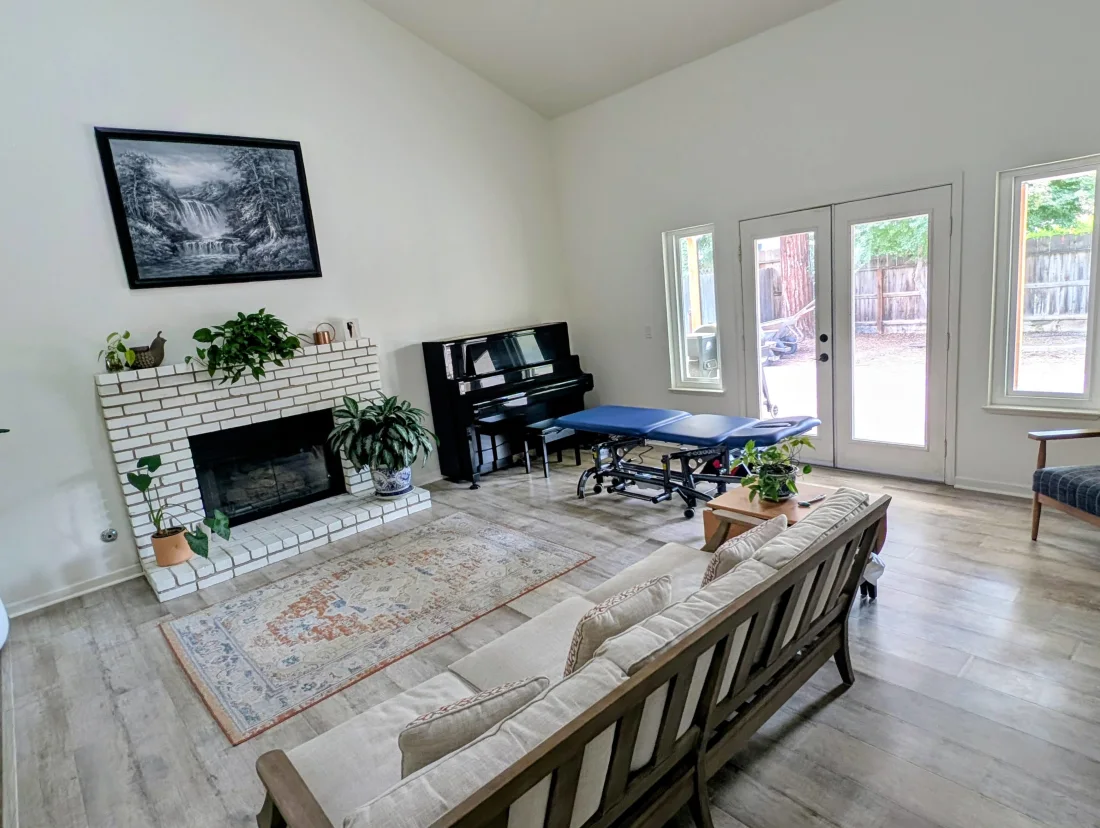
Treatment table by the windows at Rethink Longevity
Rethink Longevity Physical Therapy in Clovis, California

Pick an activity

Sleep

What do you notice when you wake up?

If your neck or back feels stiff in the morning, notice whether the stiffness eases once you start moving. If you’re waking up tired, start with a consistent sleep schedule. Sleep is part of recovery, and position is one thing we can explore if you’re uncomfortable in bed.[1, 2]

Desk work

What happens an hour into your workday?

Maybe you can turn your head freely in the morning, but by the third call your neck feels tight. I’d look at the setup and positions you actually use. Being able to change positions matters when you spend much of the day at a desk.[3]

Driving

How do you feel when you get out of the car?

Notice when the discomfort starts. The first few minutes, the last hour, and that first step out of the car give us different things to check. If you can reproduce the stiffness with a sit-to-stand in the clinic, we have something we can retest.

Home & yard

Which part of the job usually sets things off?

Carrying the first bag of soil may feel fine. The tenth one might be where your back starts asking for a break. That’s a useful detail. We can look at the amount of work, the way you do it, and what happens when we change one of those.

Exercise & sports

What changed just before it started hurting?

More hills, a heavier lift, or a new league can change how much work your body is doing. Strength and other exercise programs can lower injury risk in some sports. What you build first depends on the demands you’re preparing for and what you tolerate now.[4, 5]

Walking & balance

Where would you like to feel more sure on your feet?

A longer walk, a curb, and a turn on uneven ground each ask something different of you. Balance and functional exercise can reduce falls in older adults. A separate trial found that a gradual walking and education program delayed repeat episodes of low back pain after recovery.[6, 7]

Want to see what changes over time? Use the movement and flare log (PDF, page 32) to record what you tried and how it felt later or the next morning.

Functional Manual Therapy

We start with the thing you want to do

First, I want to hear what happens, what you’ve already tried, and what you want to get back to. Then we pick a movement that matters to you. If it’s getting out of the car, I might ask you to stand from a chair so we can see what feels familiar.

My training in Functional Manual Therapy helps me look at how your joints move and how you use your muscles together. During a treatment visit, I may use hands-on work or change how you do the task. Then we try the same movement again. If it feels the same, I use that information to decide what to check next while you’re still here.[8, 9]

How I use manual therapy

Common questions

My back feels fine driving across town. What should I notice on a longer trip?

Notice when you first want to shift or stop, and what the first stand after the drive feels like. Those details make a more useful comparison than simply calling the whole trip good or bad.

How can I tell whether a change helps when no two workdays look the same?

Pick one thing that repeats, like your first video call or standing after lunch. Compare when you notice discomfort and what you have to do about it.

What if I’m fine gardening but stiff when I get up the next morning?

Tell me what you did, how long you spent doing it, and when the stiffness showed up. Both the afternoon and the next morning can help us decide what’s worth adjusting.

What should I look for when I get down to the floor and need to get back up?

Start with the part that makes you hesitate. Is it kneeling, bringing a foot forward, balancing, or having enough energy left to stand? If we check it together, we can use a stable support and compare ways of shifting the work so you have more than one option.

Can I come in if I’m feeling fine?

Yes. We can talk through what you’re preparing for, whether that’s a longer hike, more time on the golf course, or a return to lifting. We’ll look at what the activity asks of you and where it makes sense to build gradually.

What if the same pain keeps coming back?

Tell me what you were doing when it started, when it tends to come back, and what has helped before. That gives us a place to start. You can also read my guide to recurring back pain.

My MRI showed a disc problem. Can physical therapy still help?

It can be an option. Some disc changes also show up in people who feel fine. I look at how the scan fits your symptoms and exam. I’ve worked with people who made progress with physical therapy after surgery came up as an option. If a surgeon has recommended an operation, ask what the timing depends on and whether a trial of physical therapy fits your case.[10, 11]

What happens at the free evaluation?

We’ll spend 30–45 minutes talking through your concern and checking how you move. You’ll leave with an explanation of what I found and an idea of your options. If you choose to book treatment, it’s $200 per hour.
What patients say

Read reviews on Google

Let’s look at what’s getting in the way

Free 30–45 minute evaluation with David Quenzer, DPT, in Clovis.

Book a free evaluation
References
  1. CDC. Sleep duration and healthy sleep habits ↩
  2. Walsh et al. Sleep and the athlete, BJSM expert consensus ↩
  3. OSHA. Computer workstations and changing positions ↩
  4. Lauersen et al. Exercise programs to prevent sports injuries ↩
  5. International Olympic Committee. Training load and injury risk ↩
  6. Pocovi et al. The WalkBack randomized trial, The Lancet ↩
  7. Sherrington et al. Exercise to prevent falls, Cochrane review summary ↩
  8. Institute of Physical Art. Functional Manual Therapy ↩
  9. George et al. Low back pain clinical practice guideline, JOSPT ↩
  10. Brinjikji et al. Spine imaging findings in people without symptoms ↩
  11. NICE. Low back pain and sciatica management guidelines ↩
  12. IPA Physio. Injury Prevention Solutions, inspiration for the activity format